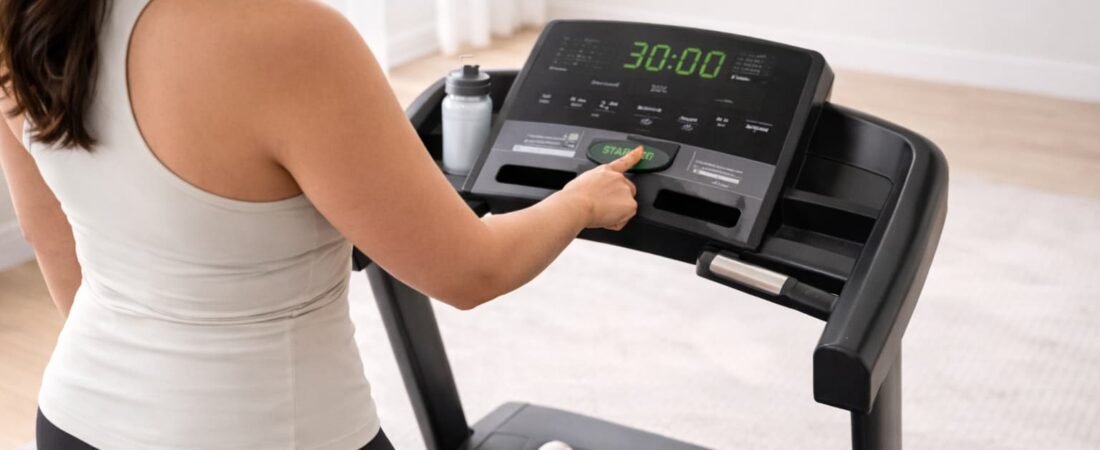
Walking is often recommended as one of the easiest and most sustainable ways to stay active. It requires no special skills, puts minimal stress on the joints, and can be done almost anywhere. For many people, the treadmill offers an easy way to build a daily walking routine at home.
But a common question comes up quickly:
Can you lose weight by walking on a treadmill for 30 minutes a day?
The short answer is yes. For many people, consistent daily walking can contribute to weight loss. The key is understanding how walking supports calorie balance, how consistency adds up over time, and how small adjustments can make treadmill walking more effective.
This guide explains how 30 minutes of daily treadmill walking affects weight loss, what results you can realistically expect, and how to get the most benefit from this simple habit.
Quick Answer
Yes, you can lose weight by walking on a treadmill for 30 minutes a day, especially if you maintain the habit consistently and combine it with balanced eating.
Thirty minutes of brisk walking typically burns between 120 and 200 calories, depending on body weight, pace, and incline. Over time, those calories can add up to meaningful weight loss.
More importantly, walking daily helps establish a routine that supports long-term health, improved metabolism, and steady energy levels.
The biggest advantage of treadmill walking is consistency. When walking becomes a regular part of your day, it is much easier to maintain progress over time.
Understanding the Question
When people ask whether treadmill walking can lead to weight loss, they are often wondering whether such a simple activity can really make a difference.
Many fitness programs emphasize intense workouts, complex routines, or strict schedules. This can make walking seem too easy to be effective.
However, weight loss is not determined solely by workout intensity. It depends on overall calorie balance and long-term consistency.
Walking for 30 minutes a day can create a small calorie deficit that gradually contributes to fat loss. The key is that the activity is repeatable and sustainable.
For many people, walking is the only form of exercise they can realistically maintain long term.
Detailed Explanation
How Walking Burns Calories
Walking engages large muscle groups in the legs and core, increasing energy expenditure. Even moderate walking can burn a noticeable number of calories.
Approximate calorie burn for 30 minutes of walking:
| Body Weight | Calories Burned |
| 120 lbs | 110–130 calories |
| 150 lbs | 130–160 calories |
| 180 lbs | 150–190 calories |
| 200 lbs | 170–220 calories |
While these numbers may seem small, daily walking adds up quickly.
For example:
- 150 calories burned per day
- 7 days per week
- 1,050 calories per week
Over several weeks, this consistent energy expenditure can contribute to gradual weight loss.
Why Consistency Matters More Than Intensity
One of the biggest advantages of treadmill walking is that it is easy to repeat every day.
High-intensity workouts can burn more calories per session, but they are often difficult to maintain long-term.
Walking provides a middle ground:
- Low impact on joints
- Manageable effort level
- Easy to schedule daily
For many people, consistency ultimately produces better results than short bursts of extreme effort.
The Role of Diet
Walking alone does not guarantee weight loss.
Weight loss occurs when calories burned exceed calories consumed over time.
Walking 30 minutes a day helps increase daily calorie burn, but it works best when combined with a balanced diet.
Even small improvements in diet can significantly amplify the results of regular walking.
Key Points
Several factors determine how effective treadmill walking is for weight loss.
Walking Speed
A brisk pace burns more calories than slow walking. Most people see the best results when walking between 3.0 and 4.0 mph.
Incline
Adding incline increases intensity and calorie burn without requiring faster speeds.
Body Weight
Heavier individuals generally burn more calories per session.
Consistency
Walking every day is more effective than walking occasionally.
These small variables can noticeably influence the results of daily treadmill walking.
Examples and Case Studies
Many people have successfully lost weight through simple walking routines.
Example 1: Gradual Weight Loss
A person walking at a brisk pace for 30 minutes each day burns approximately 150 calories per session.
Over one month, that equals roughly:
150 calories × 30 days = about 4,500 calories burned
Since one pound of body fat is roughly 3,500 calories, this routine alone could contribute to about one pound of weight loss per month, even without other changes.
Example 2: Increasing Results with Incline
A person who walks 30 minutes daily but adds a slight incline may increase calorie burn to around 200 calories per session.
Over time, this additional effort can accelerate results without dramatically increasing workout difficulty.
Expert Insights
Fitness professionals often recommend walking as a starting point for beginners because it builds sustainable habits.
Walking regularly helps:
- Increase daily energy expenditure
- Improve cardiovascular health
- Support joint mobility
- Reduce stress
- Build long-term exercise consistency
For people returning to exercise after a long break, walking may be the safest and most practical way to reintroduce movement.
A treadmill can make the habit even easier by removing weather and scheduling barriers.
Additional Resources
If you are thinking about adding treadmill walking to your routine, these guides may help you choose the right equipment or strategy.
👉 Read the full guide to the best-rated treadmills for walking in 2026
👉 Explore the best home treadmill for walking in 2026
👉 Find out whether walking treadmills are worth buying
These resources explain how different treadmill types fit various home environments and walking routines.
Conclusion
So, can you lose weight by walking on a treadmill for 30 minutes a day?
Yes, many people can achieve gradual weight loss through consistent treadmill walking. While the calorie burn from a single session may seem modest, daily walking adds up over time.
The biggest advantage of treadmill walking is its simplicity. When exercise feels manageable and easy to repeat, it becomes much easier to stay consistent.
Combined with balanced nutrition and regular movement, a simple 30-minute walking routine can become a powerful tool for long-term health and weight management.
Frequently Asked Questions
Is 30 minutes of treadmill walking enough exercise?
For many people, 30 minutes of moderate walking meets the minimum daily activity recommendations for general health.
More activity may lead to additional benefits, but starting with a manageable routine is often the most sustainable approach.
How fast should I walk on a treadmill for weight loss?
A brisk walking pace between 3.0 and 4.0 mph typically provides a good balance of calorie burn and sustainability.
Is incline walking better for weight loss?
Yes. Adding incline increases intensity and calorie burn while maintaining a manageable walking speed.
How long does it take to see results?
Many people begin to notice small changes in energy levels and endurance within a few weeks. Visible weight loss may take longer depending on diet, walking pace, and consistency.