Quick Answer
The most effective way to walk on a treadmill is to maintain a steady pace between 2.5 and 4.0 mph, keep good posture, and incorporate a light incline or interval changes to increase intensity gradually.
For most people, the goal isn’t speed. It’s consistency and comfort. Walking regularly for 20–30 minutes per session at a pace that feels sustainable can support cardiovascular health, mobility, and weight management over time.
If you’re setting up a daily walking routine at home, choosing a treadmill that feels stable, quiet, and easy to use can make a big difference.
👉 Explore the best rated treadmills for walking in 2026
Understanding the Question
When people ask what the most effective way to walk on a treadmill is, they are usually trying to figure out how to get the most benefit from a simple activity.
Unlike running workouts or high-intensity training, treadmill walking focuses on steady, consistent movement.
For many people, especially beginners or adults over 40, walking is one of the most practical ways to stay active without placing excessive stress on joints.
Effectiveness in treadmill walking typically comes down to three factors:
- Consistency
- Proper walking form
- Gradual increases in intensity
These elements help keep walking workouts manageable while still producing meaningful results over time.
Detailed Explanation
Choosing a Comfortable Walking Speed
Most treadmill walking workouts occur between 2.5 and 4.0 miles per hour.
This range allows you to maintain a brisk pace while still feeling in control of your breathing and movement. A comfortable speed should allow you to walk for 20–30 minutes without feeling exhausted.
Many people assume faster is always better, but in reality, walking effectiveness often comes from maintaining a pace you can repeat regularly.
If you are just starting, begin at a pace closer to 2.5 mph and gradually increase your pace as your endurance improves.
Maintaining Proper Walking Form
Walking posture plays a significant role in both comfort and effectiveness.
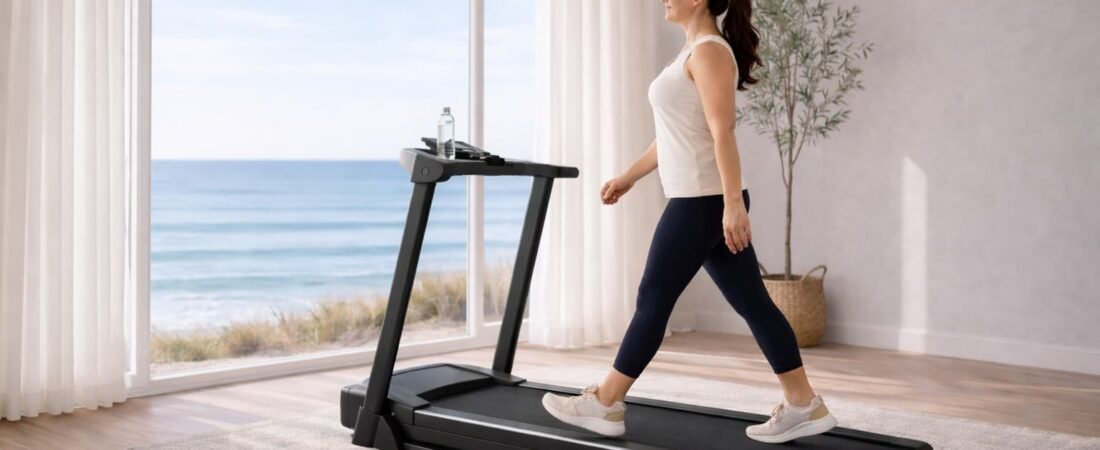
When walking on a treadmill, try to maintain:
- Upright posture with relaxed shoulders
- Eyes facing forward rather than down
- Arms swinging naturally at your sides
- A natural stride length
Avoid leaning forward onto the treadmill handrails. While handrails can provide balance support, relying on them too heavily can reduce the effectiveness of the workout.
Proper posture also helps engage the core and stabilizing muscles, improving overall walking efficiency.
Small adjustments that improve treadmill walking efficiency include:
- Keeping your gaze forward rather than down
- Allowing your arms to swing naturally
- Maintaining a steady stride rather than over-striding
These simple adjustments help walking feel smoother and more sustainable over longer sessions.
Using Incline to Increase Intensity
Adding incline is one of the easiest ways to make treadmill walking more effective without increasing speed.
A small incline between 2% and 5% can:
- Increase calorie burn
- Activate more lower-body muscles
- Add variety to your walking routine
Incline walking also helps simulate the natural resistance of walking outdoors.
However, incline should be introduced gradually. Starting with just 1–2 minutes of incline during a session can help your body adjust comfortably.
Incorporating Simple Walking Intervals
Intervals can make treadmill walking more engaging while gently improving endurance.
A simple walking interval routine might look like:
- 5 minutes easy walking
- 3 minutes brisk walking
- 2 minutes incline walking
Repeat the cycle for 20–30 minutes.
Intervals prevent workouts from feeling repetitive and can increase overall calorie burn while still keeping the activity low-impact.
In most cases, effectiveness comes less from intensity and more from repeating the habit consistently over time.
Key Characteristics of an Effective Treadmill Walking Routine
Several characteristics tend to appear in the most effective treadmill walking routines.
Consistency Over Intensity
Walking workouts are most beneficial when performed regularly, even if the sessions are relatively short.
Walking 20–30 minutes most days of the week often produces better results than occasional long workouts.
Comfortable Equipment
A treadmill that feels stable and quiet makes it easier to stick with a routine.
Many walking-focused users prefer treadmills with:
- Cushioned decks
- Simple controls
- Steady performance at slower speeds
If you are still choosing equipment for your home, you can compare several options in our guide to the best home treadmill for walking in 2026.
Gradual Progression
Instead of making dramatic changes, increase intensity slowly over time.
Examples include:
- Slightly increasing speed
- Adding short incline segments
- Extending workout duration by a few minutes
Small improvements help prevent injury while allowing your fitness level to improve naturally.
Real-World Examples of Effective Treadmill Walking
Example 1: Steady Daily Walking
A person walks 30 minutes each morning at 3.2 mph.
This routine provides moderate cardiovascular activity while remaining comfortable enough to repeat daily.
Over time, this type of consistent routine can support:
- Improved endurance
- Better circulation
- Gradual weight management
Example 2: Incline Walking Routine
Another person walks 25 minutes per day, alternating between flat walking and a 3% incline every few minutes.
This slightly higher intensity adds challenge while still keeping the workout accessible.
Incline walking often engages additional leg and glute muscles, making the workout feel more productive without increasing speed.
Benefits and Advantages of Walking on a Treadmill
Walking on a treadmill offers several advantages compared to relying entirely on outdoor walking.
Reliable Routine
Weather, darkness, and busy schedules can easily interrupt outdoor walks.
A home treadmill allows people to walk whenever it fits their schedule, making consistency easier.
If you’re considering whether a treadmill makes sense for your routine, you may find this guide helpful:
👉 Are walking treadmills worth buying?
Controlled Environment
Treadmills allow you to control variables like:
- Speed
- Incline
- Duration
This makes it easier to follow a structured walking routine and gradually adjust intensity
Joint-Friendly Exercise
Walking remains one of the most low-impact forms of exercise.
For beginners, older adults, or anyone managing joint discomfort, treadmill walking provides a way to stay active while minimizing strain.
Related Concepts That Improve Treadmill Walking
Walking on a treadmill offers several advantages compared to relying entirely on outdoor walking.
Wearing Proper Walking Shoes
Supportive shoes help maintain proper walking mechanics and reduce strain on joints.
Footwear designed for walking or light training generally provides better cushioning and stability than casual shoes.
Walking Long Enough to Build a Habit
Short sessions can still be beneficial, but most people find that 20–30 minutes is the ideal duration for maintaining a daily walking routine.
In fact, many people wonder whether walking for this amount of time can support weight-loss goals.
👉 Can you lose weight by walking on a treadmill for 30 minutes a day?
Choosing the Right Treadmill
Not all treadmills are designed with walking in mind.
Walking-focused users often benefit from machines that emphasize:
- Smooth belt movement at lower speeds
- Quiet motors
- Stable frames
You can explore several walking-friendly models in our guide to the best-rated treadmills for walking in 2026.
Conclusion
The most effective way to walk on a treadmill is to combine steady pacing, proper posture, and consistent routines.
Walking does not need to feel intense to be beneficial. In fact, the greatest advantage of treadmill walking is that it allows people to stay active in a way that feels manageable and repeatable over time.
By maintaining good walking form, gradually adjusting speed or incline, and choosing equipment that feels comfortable at home, treadmill walking can become a simple habit that supports long-term health and mobility.
If you’re still comparing options, you can also explore our guide to the best-rated treadmills for walking in 2026 to see which models support comfortable daily walking.
Frequently Asked Questions
What speed should I walk on a treadmill?
Most treadmill walking occurs between 2.5 and 4.0 mph. The best speed is one that feels brisk but comfortable enough to maintain for 20–30 minutes.
Is walking on a treadmill every day effective?
Yes. Walking daily can support cardiovascular health, mobility, and calorie expenditure, especially when performed consistently.
Should I use incline when walking on a treadmill?
Adding small incline segments can increase intensity and engage more muscles, but it should be introduced gradually.
How long should I walk on a treadmill?
Many walking routines last between 20 and 30 minutes, though shorter sessions can still provide benefits when performed consistently.